Brixton Market rubbish removal tips for stallholders
Posted on 17/07/2026
If you trade at Brixton Market, rubbish has a way of multiplying fast. One minute you've got a clean stall, and the next you're dealing with cardboard, vegetable trimmings, packaging straps, broken crates, cling film, and the odd spill that always seems to happen at the busiest moment. These Brixton Market rubbish removal tips for stallholders are designed to help you stay organised, keep your pitch tidy, and avoid the stress that comes from leaving waste until the end of the day.
Truth be told, waste management is not the glamorous side of market life. But it matters. A lot. Good rubbish removal keeps customers moving, helps staff work safely, supports cleaner shared spaces, and reduces the chance of fines, complaints, or an awkward conversation with market management. In a place as lively and tightly packed as Brixton, a simple system is worth its weight in gold.
This guide walks you through how market waste removal works in practice, what stallholders should do before, during, and after trading, and how to make smarter choices about recycling, collection, storage, and disposal. You'll also find a checklist, a comparison table, and a few realistic examples from day-to-day stall life.
Why Brixton Market rubbish removal tips for stallholders Matters
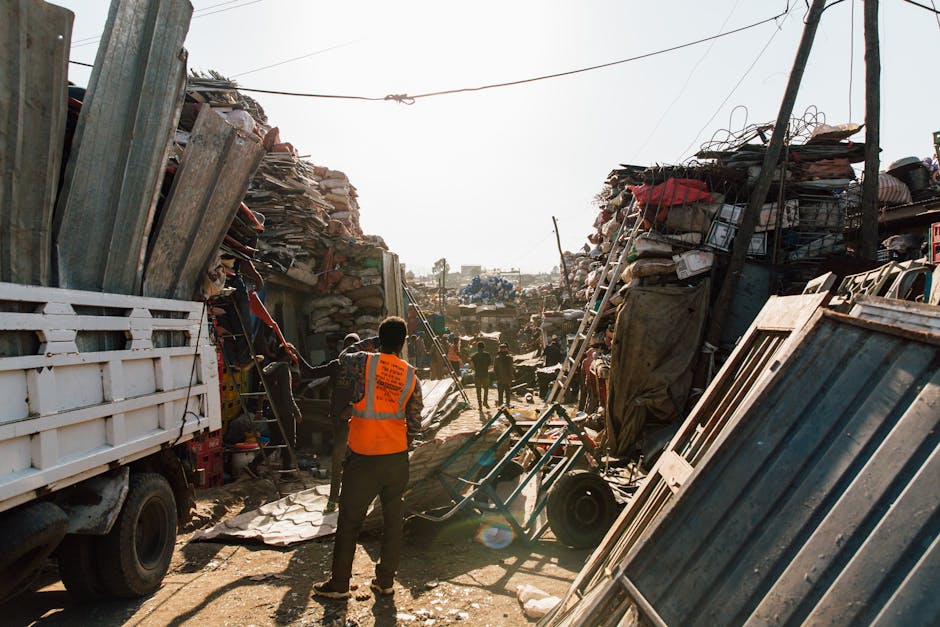
Market stalls create waste differently from shops, cafes, or offices. The volume may be smaller, but it arrives in bursts. A busy Saturday can leave you with a stack of wet cardboard, mixed packaging, food scraps, broken display materials, and odd bits of debris that need separating quickly. If you don't have a plan, rubbish ends up taking over the stall, the back corridor, or your vehicle. Nobody wants that at 4:45pm on a cold afternoon when you still have cashing up to do.
For stallholders, waste removal is partly about presentation and partly about control. A neat stall looks more professional and is easier for customers to navigate. It also helps protect stock. Think about fruit, flowers, clothing, street food, or handmade items-each has its own waste pattern. A stray box can trip someone. A leaking bag can ruin packaging. A pile of mixed waste can attract pests or create smells that linger longer than you'd like.
There's another side to it too: shared spaces. Markets depend on cooperation. If one trader leaves bags out early or sorts waste badly, it affects everyone nearby. Small habits make a real difference. That's why these tips are not just about disposal; they are about being a reliable part of the market environment.
As a practical matter, getting waste under control early also saves time. And time, let's face it, is the thing you never quite have enough of on market days.
How Brixton Market rubbish removal tips for stallholders Works
Market rubbish removal usually works best as a simple system rather than a last-minute clear-up. The basic idea is to sort, store, and move waste in a way that fits your stall setup and trading rhythm. That may mean keeping separate containers for cardboard, general waste, food waste, and reusable packing materials. It may also mean arranging a collection routine that matches your busiest days.
In practice, the process often looks like this:
- Waste is generated as you set up, trade, and pack down.
- You separate items into the right bags or bins straight away.
- Reusable materials are kept aside for later use.
- Recyclables are flattened, bundled, or stacked where possible.
- General waste is removed promptly so it does not build up.
- At the end of trading, remaining rubbish is bagged securely and taken to the agreed collection point or removed off-site.
The exact setup will depend on your product type, the market's own rules, and how much waste you produce. A food stall will usually need more frequent attention than a clothing or craft stall. A flower trader may need extra attention for stems, damp paper, and water-soaked packaging. Different businesses, different mess. That's normal.
If you already use a wider clearance or removal service, it can help to keep your market waste plan aligned with your other disposal needs. Some traders also look at service options across the business so their market waste, storage clear-outs, and occasional bulky items are handled in a more joined-up way.
Key Benefits and Practical Advantages
Good rubbish removal does more than make the pitch look tidy. It can improve how your stall runs from the inside out.
First, it keeps you faster. When waste is sorted as you go, pack-down becomes calmer and more predictable. You know where the cardboard goes, which bags need sealing, and what can wait until the end of the day. Less wandering around with half-full sacks. Less faff.
Second, it protects your brand. A clean stall suggests care, attention, and consistency. Customers notice that. Even if they don't say it out loud, they do notice. A cluttered waste area gives the opposite impression, and in a busy market that first impression lands quickly.
Third, it supports safety. Wet packaging, loose ties, broken crates, and overfilled bags all create risk. Staff and customers should be able to move around your pitch without stepping over rubbish or squeezing past storage heaps.
Fourth, it can reduce costs. Waste that is sorted properly is often easier and cheaper to manage than mixed rubbish dumped in a rush. Even if you are not paying per bag, time waste is still real waste. A few minutes saved each day adds up over a month.
Fifth, it helps with sustainability. Markets naturally generate a mix of waste, but not all of it needs to go to landfill or general disposal. Cardboard, certain plastics, reusable tubs, and organic matter may be handled more efficiently when separated. If sustainability matters to your brand or your customers, this is a very visible way to prove it.
For stallholders who want a broader environmental angle, the company's recycling and sustainability approach is worth understanding alongside your own day-to-day sorting habits.
Who This Is For and When It Makes Sense
These tips are useful for almost any Brixton Market trader, but they are especially relevant if your stall produces waste in bursts, operates in a tight space, or handles stock with bulky packaging.
- Food and drink stallholders dealing with food scraps, greaseproof paper, napkins, trays, and packaging.
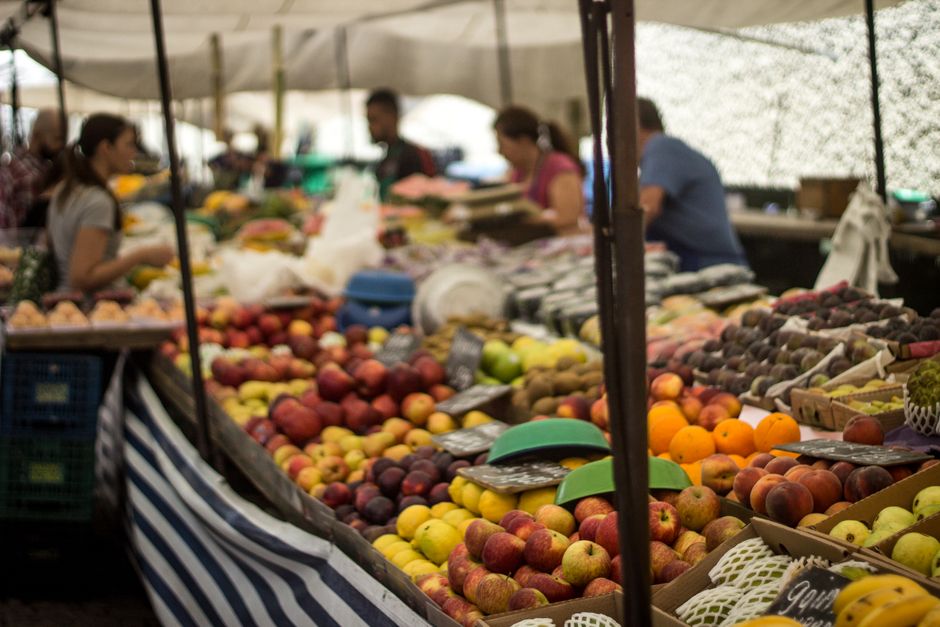
- Fruit, veg, and fresh produce sellers who need to manage trimmings, damaged produce, crates, and damp waste.
- Clothing and accessories traders with cardboard, plastic wrap, hangers, tags, and delivery packaging.
- Craft and gift sellers who often have mixed material waste, bubble wrap, and display leftovers.
- Pop-up traders and seasonal sellers who only appear on certain days and may need a temporary waste system.
It also makes sense if you are preparing for a busier trading period, such as a weekend rush, a themed market event, or the run-up to a holiday period. Waste always climbs at those times. Always.
If you are just starting out, it is better to build a simple system early than to improvise later. New stallholders often focus on stock, pricing, and customer flow, then treat waste as an afterthought. That's understandable. But rubbish removal quietly affects everything else.
Step-by-Step Guidance
Here is a practical way to set up stall waste management without overcomplicating it.
1. Map your waste before the first trading day
Walk through the stall in your head and ask: what will actually be thrown away? Packaging? Food scraps? Wet paper? Broken displays? Old labels? If you sell fresh produce, your waste profile will look very different from a vintage clothing stall. This first step saves a lot of guesswork later.
2. Assign each waste type a home
Use separate containers where you can. Keep cardboard flat, keep food waste sealed, and keep reusable materials away from general rubbish. If you have only a small pitch, even a basic two-bin system is better than one big mixed bag. Not fancy. Just effective.
3. Set a pack-down routine
At the end of trading, do the same things in the same order. Empty counters, sort recyclable material, seal waste bags, wipe surfaces, and check under tables and display stands. A routine is your best friend here because it stops the little bits from being forgotten.
4. Keep waste out of customer sight where possible
Customers don't need to stare at a mound of black bags while deciding whether to buy your apples or your candles. Place bins discreetly and move full bags quickly. If you can keep the back-of-stall area tidy, you will feel the difference too. It's easier to think when you're not surrounded by clutter.
5. Remove waste promptly after trading
Do not leave bags sitting around because "we'll sort it tomorrow." Tomorrow has a habit of getting busy. Prompt removal reduces smells, nuisance, and accidental damage. If waste is heavy or bulky, schedule extra help rather than trying to shift too much in one go.
6. Review what changed after each market day
Was there more cardboard than expected? Did one type of packaging create avoidable waste? Did the bag system work in wet weather? Tiny adjustments can make a huge difference over time. This is the bit most people skip. It's also the bit that makes the system better.
Expert Tips for Better Results
After handling many kinds of clear-outs and waste jobs, the pattern is always the same: the simplest systems are the ones people keep using.
Flatten before you stack. Cardboard takes up far less room when broken down immediately. If you wait until the end of the day, it becomes a leaning tower of annoyance. Flattening as you go saves space and reduces the chance of damage.
Use stronger bags than you think you need. Stall waste often includes awkward corners, tape, staples, broken ties, and damp residue. Thin bags split. Then you've got a mess, and nobody has time for that.
Keep a small "in-between" box. This is where useful offcuts, spare signs, clean wrapping, and reusable fittings can sit before you decide whether to keep or bin them. It stops good materials from being thrown away too quickly.
Think in layers. Front-of-stall waste, back-of-stall waste, and post-trading waste are not the same thing. If you treat them separately, the task feels much lighter.
Have one person responsible. Even if everyone helps, one person should check the process at the end of the day. Otherwise the job drifts. The rubbish fairy rarely shows up, sadly.
Use quieter periods to reset. If trade dips for a short spell, use that moment to flatten boxes, empty a bin, or tidy packaging. Five minutes in the middle of the day can save fifteen at closing.
Common Mistakes to Avoid
Most waste problems are boringly predictable. The good news is that they are also easy to prevent.
- Mixing everything together. Once recyclables, food waste, and general rubbish are thrown into the same bag, sorting becomes slower and messier.
- Leaving bins too small. Overfilled containers create spills and can make pack-down stressful.
- Ignoring wet waste. Damp cardboard and food residues can smell quickly, especially in warmer weather.
- Using storage space as a dumping ground. If every spare corner becomes a rubbish corner, stock management gets harder and hygiene suffers.
- Forgetting bulky packaging. Large delivery boxes, wooden supports, and broken display items need separate thinking, not just a bigger bin.
- Waiting until the end of the day to sort. That usually means more stress, more mistakes, and more back pain. Not ideal.
One small but common issue: traders underestimate how much packaging arrives with new stock. You open a delivery on a quiet morning and think, "We'll deal with this later." Later arrives with a queue at the stall and nowhere for the packaging to go. Best to deal with it early.
Tools, Resources and Recommendations
You do not need a warehouse full of equipment to manage market waste properly. A few sensible tools are enough.
- Labelled bins or sacks for simple waste separation.
- Cardboard cutters or box knives used carefully to flatten packaging safely.
- Reusable crates and tubs to reduce throwaway containers.
- Heavy-duty bin liners that resist tearing.
- Gloves and basic cleaning cloths for hygiene and safe handling.
- Small trolleys or sack trucks if you move waste away from the pitch yourself.
For traders who need a broader clearance service beyond daily rubbish, it can help to compare the options on waste removal in Brixton and the more general rubbish clearance support pages. Some stallholders only need occasional help, while others benefit from a regular, planned collection approach.
If you are handling larger stock changes, storage clean-ups, or end-of-season clear-outs, the broader rubbish removal guidance can also help you think beyond the market stall itself.
Law, Compliance, Standards, or Best Practice
Waste handling at a market stall should always be treated as a practical compliance issue, not just a tidy-up task. The exact rules can vary depending on market management, the type of waste, and the nature of your business, so it is sensible to confirm the details that apply to your stall rather than guess.
In general UK practice, stallholders should aim to:
- keep waste contained and secure;
- avoid blocking walkways, access routes, or shared working areas;
- separate waste types where that is required or clearly practical;
- store rubbish safely until it can be collected or removed;
- avoid creating smells, leaks, pests, or slip hazards;
- use responsible disposal methods for any specialist waste.
If your stall produces food waste, greasy packaging, sharp material, or anything unusual, best practice becomes even more important. The point is not to make life complicated. It is to reduce risk and keep the market working smoothly for everyone.
It also helps to check the terms that govern any service arrangement you use. If you book a collection or clearance service, make sure you understand the limits, timing, and payment expectations by reviewing the company's terms and conditions and, where relevant, the insurance and safety information. That kind of admin is dull, yes, but it matters when you need clarity.
For traders who handle payments for removal or scheduling online, the payment and security guidance can also offer useful reassurance. And if you want to understand how the business approaches trust, process, and accountability more generally, the about us page is a sensible place to start.
Options, Methods, or Comparison Table
There is no single best method for every stallholder. The right choice depends on volume, waste type, trading hours, and how much space you have. Here is a straightforward comparison.
| Method | Best for | Pros | Watch-outs |
|---|---|---|---|
| On-stall sorting with bags and bins | Small to medium stalls | Cheap, simple, easy to start | Needs discipline; can get messy if ignored |
| Scheduled end-of-day pack-down removal | Most regular traders | Predictable, tidy, low disruption | Requires a routine and enough time to finish properly |
| Occasional professional clearance | Seasonal, bulky, or mixed waste | Helpful for big shifts and awkward items | Should be planned early, not left to the last minute |
| Combined recycling and general waste system | Traders focused on sustainability | Reduces landfill waste and improves sorting | Needs clear labels and staff buy-in |
In many cases, a blended approach works best. A food trader might use on-stall separation during trade, then arrange occasional outside help for bulky packaging or deep clean-outs. A craft seller may need very little during a normal week but more support after a busy seasonal run. Flexible is often better than perfect.
Case Study or Real-World Example
Picture a typical Saturday setup: a stallholder selling handmade homeware, gift items, and small seasonal decorations. By mid-morning, they've already unpacked four cardboard boxes, some paper filler, plastic wrapping, a cracked tray insert, and a couple of old display tags. None of it looks like much on its own. By closing time, it's a different story.
In the past, the waste all went into one pile. The stall looked fine when opened, but the pack-down was always chaotic. They were squeezing boxes into gaps, hunting for lost tape, and carrying too many half-full bags at once. It felt longer than the trading day itself.
Once they changed the system, the whole thing settled down. Cardboard was flattened immediately. Reusable paper fill was kept in a clean tub. Damaged packaging was bagged separately. One small bin handled general rubbish. At the end of the day, clean-up took less time, and the stall looked better while still open. Customers noticed the tidier display, even if they never said so directly.
That is the real lesson: waste control is not just about getting rid of rubbish. It shapes the working rhythm of the stall. The calmer the system, the less everything else gets dragged into the mess.
Practical Checklist
Use this before, during, and after your market day. It's simple, but it works.
- Identify the main waste types your stall creates.
- Set up separate containers or bags for each type.
- Flatten cardboard as soon as it is empty.
- Keep food waste sealed and away from dry stock.
- Store reusable packaging in a clean, marked place.
- Check that full bags can be moved safely without blocking the pitch.
- Remove waste promptly at the end of trading.
- Inspect the stall for loose labels, tape, or small scraps.
- Review what waste was created and whether the system needs adjusting.
- Confirm any market-specific disposal expectations before the next trading day.
Quick takeaway: if your stall is tidy at opening, tidy at closing, and simple to pack down, your waste system is probably doing its job. That's the goal. Nothing fancy.
Conclusion
Managing waste well at Brixton Market is less about perfection and more about building a repeatable habit. If you know what waste you generate, separate it properly, and remove it on time, the whole trading day runs more smoothly. You protect your stall presentation, reduce stress, and make life easier for everyone nearby.
The best Brixton Market rubbish removal tips for stallholders are usually the practical ones: flatten cardboard early, keep waste sorted, seal bags properly, and treat pack-down as part of the job rather than an afterthought. Small habits. Big difference.
If you need a more flexible or wider rubbish removal plan for your stall, storage space, or business premises, it can help to review the available support and choose an approach that fits your workload rather than forcing the wrong solution into place. A tidy market stall is a good start, but a reliable system is what keeps it tidy week after week.
Get a free quote today and see how much you can save.
And honestly, once waste stops being a daily headache, you notice the difference straight away. The stall feels lighter. The day feels easier. That matters more than people think.
 Tipper Van - Rubbish Clearance and Garden Rubbish Disposal Prices in Brixton, SW9
 Luton Van -


