Electric Avenue rubbish clearance guide Brixton
Posted on 18/10/2026
If you are trying to clear rubbish around Electric Avenue in Brixton, you probably want the same three things: speed, clarity, and no faff. Maybe it is a flat tidy-up after a long build-up of clutter. Maybe you are moving out, refreshing a rental, or dealing with waste from a small shop or office nearby. Either way, the job looks simple until you start lifting bags, sorting items, and wondering what can actually be taken. This Electric Avenue rubbish clearance guide Brixton breaks the process down in plain English so you can make a sensible plan, avoid common mistakes, and choose the right clearance option for the type of waste you have.
Electric Avenue has its own rhythm. Busy pavements, mixed-use properties, bins that fill up quickly, and very little patience for a messy pile sitting around for days. That is why a local approach matters. You need to think about access, timing, sorting, and the practical realities of getting waste out without disrupting neighbours or blocking entrances. In our experience, the smoother jobs are the ones where someone spent ten minutes planning properly first. The rest? Well, they usually turn into a Saturday that feels longer than it should.
To help you get it done properly, this guide covers what rubbish clearance involves, how it works step by step, what to watch out for, and which service routes make the most sense depending on your situation. If you also want to understand the wider service landscape, you may find the services overview useful alongside this article.
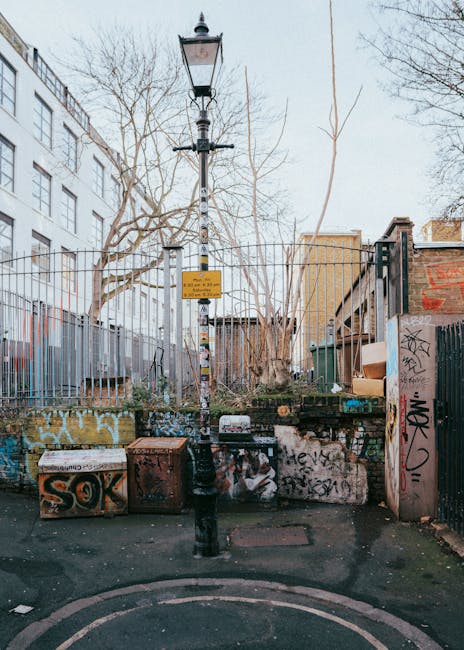
Why Electric Avenue rubbish clearance guide Brixton Matters
Electric Avenue is not the kind of place where rubbish can quietly sit in a corner and be forgotten. The street is active, visible, and surrounded by homes, businesses, and day-to-day foot traffic. That changes the way clearance needs to be handled. When waste is left too long, it can create access issues, attract complaints, and make a property look neglected before anyone has even stepped inside. For landlords and shop owners, that first impression matters more than people sometimes admit.
There is also the simple practical side. Big black bags, broken furniture, old appliances, builder's waste, garden cuttings, and office clutter all behave differently. Some items can be reused or recycled. Some need special care. Some are awkward to move and a nuisance on stairs. If you treat every clearance as the same, you usually end up overpaying, wasting time, or making more trips than needed. Not ideal.
A local clearance plan helps you match the job to the setting. For example, a one-bedroom flat off Electric Avenue may need a very different approach from a small cafe basement clean-out or post-refurbishment waste collection. That is where a service like rubbish clearance in Brixton can be more useful than trying to manage everything with a hire van and a long list of to-dos. The point is not just to remove waste. It is to remove it in a way that suits the street, the property, and your schedule.
Expert summary: the best clearance jobs are rarely the most dramatic ones. They are the ones where waste is sorted early, access is thought through, and disposal is matched to the actual mix of items.
How Electric Avenue rubbish clearance guide Brixton Works
Rubbish clearance is, at heart, a coordination job. Someone identifies the waste, decides what should go, checks what access looks like, and arranges collection or removal. Straightforward on paper. A bit less straightforward once you are standing in a hallway with a sofa that barely fits around the corner.
Most local clearances follow a pattern. First, you assess the items. Then you separate reusable goods, recyclable materials, general rubbish, and anything that needs extra handling. After that comes collection, loading, transport, and disposal or recycling at the appropriate facility. If the job is larger or more mixed, the service may need more than one crew member, more time, or a vehicle suited to heavy waste.
For larger or more specialised loads, it helps to think in categories. Builders' waste, for example, is usually handled differently from household clutter. Garden waste has its own quirks too, especially when it is wet, bulky, or mixed with soil and old pots. If your job is renovation-related, the dedicated builders' waste disposal in Brixton page may be more relevant. For green waste, the garden waste removal in Brixton service is the better fit.
What you should not do is assume a pile is "just rubbish" and leave it at that. One mixed pile can contain recyclable cardboard, wood, metal, electrical items, and general waste. That mix affects handling, cost, and compliance. It also affects how long the job takes. If you sort things first, even roughly, you often save time later. Not always dramatic savings, but enough to notice.
Key Benefits and Practical Advantages
The obvious benefit is getting rid of unwanted waste. But the real value is bigger than that. A well-managed clearance makes the property easier to use, easier to show, and easier to hand back, rent out, or refurbish. It also reduces stress. Which sounds simple, but let's face it, clutter has a way of following you around mentally until it is gone.
Here are the practical upsides people usually care about:
- Faster turnaround: a cleared room can be cleaned, repaired, or re-used much sooner.
- Better access: hallways, stairwells, entrances, and loading areas are easier to navigate.
- Improved presentation: cleaner spaces feel more professional and more inviting.
- Less manual effort: no need to drag heavy items through tight spaces on your own.
- More responsible disposal: items can often be sorted for reuse or recycling rather than going straight to landfill.
- Lower risk of mistakes: a structured process reduces the chance of mixing up items that need special handling.
There is also a financial angle. A rushed approach often means multiple trips, van hire, fuel, parking hassle, and a few extra grey hairs. A clearer plan can make the whole job more economical, especially when you compare it with the hidden costs of doing it yourself. If you want to understand how pricing is usually approached, the pricing and quotes information is a good place to start.
And yes, the emotional side matters too. Clearing a space can feel oddly decisive. One minute you are staring at a heap of things you have ignored for months. The next, the room breathes again. Small victory. But a real one.
Who This Is For and When It Makes Sense
This guide is useful for anyone dealing with clutter or waste near Electric Avenue, but a few groups tend to need it most.
Homeowners and tenants
If you are moving out, downsizing, or doing a deep clear-out, you may need help with bulky items, bagged waste, old furniture, and general household clutter. Tenants especially tend to need speed. Nobody wants to lose a weekend chasing bin bags across the flat while waiting for a move-out deadline.
Landlords and letting agents
Vacant properties often need a quick reset between tenancies. A space can be perfectly functional but still feel unusable if the previous occupant left belongings behind. In those cases, a house clearance in Brixton style approach may be more appropriate than general waste removal, especially if there are mixed items to sort through.
Shop owners and office managers
Retail and office spaces generate a surprising amount of clutter: packaging, broken fixtures, old shelving, filing, redundant furniture, and equipment. If the space must stay open during working hours, timing becomes part of the job. A dedicated office clearance in Brixton service can help keep disruption down.
People handling renovation or garden work
Maybe you are replacing a kitchen, stripping out a room, or tidying an outdoor area. The waste stream changes quickly in those situations, and you may need a service that can handle heavier or more awkward material. In those cases, the relevant specialist service is usually better than a general one. Much less guesswork.
If you are not sure what category your waste falls into, start with your rubbish removal needs and work from there. That is often the simplest way to avoid overbooking or choosing the wrong type of collection. The your rubbish removal needs page can help frame the decision.
Step-by-Step Guidance
A good clearance is easier than people think once you break it into proper steps. Here is the process I would recommend.
- Walk through the space slowly. Do not start lifting straight away. Check every room, corner, cupboard, and awkward bit under stairs or behind doors.
- Separate items by type. Put furniture, electricals, recyclables, bagged rubbish, and special items into different piles if you can.
- Identify anything that should stay. It sounds obvious, but in a busy flat or office, a single confused bag can ruin the day.
- Check access. Note staircases, narrow halls, parking restrictions, controlled entry, or any time limits for loading.
- Estimate volume. A small pile can still be bulky. A large pile can sometimes be surprisingly light. Volume matters more than people expect.
- Choose the right service level. General waste, house clearance, office clearance, and builders' waste all call for different handling.
- Prepare the items for collection. Bag loose waste, flatten cardboard if possible, and keep pathways clear.
- Confirm timing and payment details. This is the dull bit, but it avoids awkward surprises on the day.
If you want a more rounded picture of the company's offering, the waste removal in Brixton page gives a helpful sense of how general waste services sit alongside more specialist jobs. And if you are comparing providers, the services overview plus pricing and quotes pages are sensible bookmarks.
One small but useful habit: take a few photos before the clearance starts. Not for drama. Just for clarity. If the job is more complicated than expected, the pictures help everyone stay on the same page.
Expert Tips for Better Results
These are the little things that make a clearance go smoothly. Most people only learn them after one annoying experience, which is a bit of a shame, but there it is.
- Sort before collection day. Even a rough sort saves time. Cardboard in one area, electronics in another, furniture together, and loose rubbish bagged.
- Measure the awkward items. Sofas, wardrobes, desks, and white goods often cause delays when they are larger than remembered. Funny how that happens.
- Keep routes clear. Hallways and entrances should stay open. A clear path prevents knocks, scrapes, and arguments with the banister.
- Think about parking early. On streets near Electric Avenue, access can be the difference between a quick job and a frustrating one.
- Don't hide problem items. If something is damaged, heavy, or potentially hazardous, say so upfront. It helps the right equipment turn up.
- Use specialist services when needed. Builders' waste, garden waste, and office clearances are easier when matched to the right service from the start.
A good provider should also be able to talk plainly about insurance and safety, especially if items need moving through shared areas or tight stairwells. If that is important to you, take a look at the insurance and safety information before booking. It is not glamorous reading, but it tells you a lot about how seriously a team takes the job.
And if you are planning around a move, an end-of-tenancy reset, or a longer property project, it is worth thinking ahead by a day or two. A calm clearance is almost always a better clearance. Almost always.
Common Mistakes to Avoid
Most clearance problems are avoidable. The annoying part is that the mistakes tend to be simple ones.
- Leaving everything in one mixed pile. That slows sorting and can increase handling time.
- Underestimating bulky waste. A single chest of drawers or a broken wardrobe can complicate a job more than ten bin bags.
- Ignoring access issues. Shared entrances, narrow staircases, or limited parking can change the whole plan.
- Forgetting electrical items. Old TVs, monitors, kettles, and cables are not always treated the same way as general rubbish.
- Waiting until the last minute. If a move-out, inspection, or refurbishment deadline is fixed, leave room for delays.
- Choosing the wrong clearance type. House, office, garden, and builders' waste each have their own handling needs.
There is also a trust mistake people make: they focus only on the lowest number and ignore whether the service actually suits the job. Cheap can be fine. Cheap and wrong is expensive in disguise. You end up paying twice, or worse, spending your own time fixing the mess.
For that reason, it helps to understand the small print around terms, payment, and what is included. The terms and conditions and payment and security pages are useful for setting expectations in a very ordinary, practical way.
Tools, Resources and Recommendations
You do not need a complicated toolkit for rubbish clearance, but a few basics make life easier.
- Sturdy bin bags: useful for loose rubbish, soft household waste, and small mixed items.
- Gloves: sensible for cleanliness and grip, especially if you are moving old boxes or garden debris.
- Basic tape measure: helpful for sofas, wardrobes, appliances, and access checks.
- Marker labels: useful if several people are sorting items and you do not want things muddled.
- Trolley or sack truck: not always needed, but very handy for heavier objects.
- Boxes or crates: better than loose piles when you are separating keep, donate, and remove.
As for resources, the most useful ones are often the ones already on the site. The about us page helps you understand the company background, while recycling and sustainability gives a clearer sense of how waste is handled with a lower-impact approach where possible. That matters if you want your clearance done properly rather than just quickly.
When you are planning a larger job, I would also recommend looking at the specific service that best matches the mess in front of you. General rubbish, house clear-outs, office furniture, and green waste all behave differently. Nothing fancy. Just common sense, really.
Law, Compliance, Standards, or Best Practice
Waste clearance in the UK sits within a framework of legal and practical responsibilities, so it is worth being careful. You do not need to memorise legislation to make a sensible choice, but you do need to understand the basics: waste should be handled by people who know where it is going, what category it falls into, and how to move it safely.
For householders, the main concern is usually avoiding fly-tipping risk and making sure items are passed to a responsible collector. For businesses, the standard is higher because there may be duty-of-care expectations around the transfer and handling of waste. If you run a business on or near Electric Avenue, do not treat office or shop waste like a one-off back-room clear-out. Keep records, ask questions, and make sure the service is appropriate.
Electrical items, sharp materials, chemicals, and certain construction wastes need extra attention. Not every item can simply go into the same bag. That sounds obvious, yet it is one of the most common things people get wrong. Best practice is to separate waste where possible, be honest about what is included, and avoid mixing unknown items into general rubbish. If something looks questionable, it probably deserves a second look.
Insurance also matters. Moving waste through communal areas, stairwells, or tight entrances carries practical risk, and a responsible operator should be able to explain how that is covered. The point here is not to overcomplicate things. It is to keep the job safe for you, the crew, and the property.
If you are a business owner, landlord, or someone handling repeated clearances, it is wise to keep your process consistent. Same checklist. Same sort-out routine. Same questions every time. Boring? Maybe. Effective? Absolutely.
Options, Methods, or Comparison Table
If you are deciding how to deal with rubbish near Electric Avenue, the best choice usually depends on volume, urgency, and the type of waste. Here is a simple comparison.
| Method | Best for | Pros | Trade-offs |
|---|---|---|---|
| Self-clearance | Very small loads, light items, simple sorting | Can feel cheaper at first, full control over timing | Time-consuming, heavy lifting, parking and transport hassle |
| General rubbish collection | Mixed household waste and everyday clutter | Convenient, usually quicker than DIY | Less suitable for bulky, specialist, or large mixed jobs |
| House clearance | Full or partial property clear-outs | Good for large volumes and mixed items | May be more than you need for a tiny job |
| Office clearance | Desks, chairs, files, and workplace clutter | Built around commercial needs and access | Needs more planning if the office is still operating |
| Builders' waste disposal | Refurbishment debris, rubble, timber, packaging | Better suited to heavy and awkward waste | Not ideal for ordinary household clutter |
| Garden waste removal | Cuttings, branches, soil, outdoor waste | Handles green waste more sensibly | May not cover mixed household junk without extra planning |
If you are unsure which route fits best, start with the waste type rather than the property type. That tiny shift in thinking saves a lot of confusion. A flat can generate builders' waste, and a shop can generate household-style clutter. The building itself does not decide the service; the waste does.
Case Study or Real-World Example
Here is a realistic example from the sort of situation people around Electric Avenue often run into.
A small ground-floor flat needs clearing after a tenant move. The rooms are not packed, but there is a broken wardrobe, a mattress, several bin bags of mixed clutter, a bag of old chargers and cables, and a few cardboard boxes stuffed into the hallway. There is also limited parking and a fairly tight communal entrance. Nothing dramatic. Just awkward enough to become irritating.
The sensible approach is to sort the waste before collection day: electrical bits in one place, cardboard flattened, bagged rubbish sealed, and furniture separated. The access route is checked in advance, so the crew knows whether they need to bring extra help or equipment. If the landlord wants the space ready for cleaning the same day, timing becomes part of the plan rather than an afterthought.
What usually goes wrong in this kind of job is not the volume. It is the muddle. A mixed pile slows everything down because no one knows what is going where. In a better-run version, the room is cleared in one visit, the bulky pieces are moved safely, and the flat is ready for the next step by late afternoon. Not magic. Just decent preparation.
That is why the local context matters so much. On a street as busy and visible as Electric Avenue, a tidy, well-timed clearance feels like part of the property management, not a separate headache.
Practical Checklist
Use this checklist before booking or starting your clearance.
- Identify the main waste types: general rubbish, furniture, electrical items, garden waste, or builders' waste.
- Estimate how much space the items take up, not just how many bags there are.
- Check access: stairs, narrow corridors, loading points, and parking.
- Remove or clearly label anything you want to keep.
- Separate recyclables where practical.
- Take photos of the waste pile and any awkward access points.
- Confirm timing, collection expectations, and payment details.
- Review safety, insurance, and terms before the job starts.
- Choose the right service type rather than guessing.
- Leave a clear path from the waste to the exit.
If you are still comparing options, it can help to review the wider waste and clearance pages on the site, especially rubbish clearance Brixton, waste removal Brixton, and the specialist pages for house, office, garden, or builders' waste. Pick the one that matches the job in front of you. Simple enough, really.
Conclusion
Electric Avenue rubbish clearance in Brixton is less about brute force and more about making the right choices early. Once you understand your waste type, access conditions, timing, and disposal needs, the rest becomes much easier. That is true whether you are clearing a flat, a shop, an office, or a one-off pile after a project. The goal is not only to remove clutter. It is to do it cleanly, safely, and without wasting your time.
To be fair, most people do not wake up excited about rubbish clearance. But when the right plan comes together, the relief is real. A clear room feels lighter. A tidy entrance feels calmer. And a street that looks cared for makes everything around it work better.
Get a free quote today and see how much you can save.

 Tipper Van - Rubbish Clearance and Garden Rubbish Disposal Prices in Brixton, SW9
 Luton Van -


