SW9 estate rubbish clearance services Acre Lane Brixton
Posted on 27/08/2026
SW9 Estate Rubbish Clearance Services Acre Lane Brixton
If you live, manage, or let property near Acre Lane, you already know how quickly rubbish can build up on an estate. One skipped bin day, a hallway refurbishment, or a tenant move-out can leave bulky waste in the way before you've had time to breathe. That's where SW9 estate rubbish clearance services Acre Lane Brixton become genuinely useful: not just for getting rid of mess, but for restoring order, safety, and a bit of calm to a busy building.
In a place like Brixton, where estates, maisonettes, converted flats, and mixed-use buildings often sit close together, rubbish clearance needs to be handled with care. Access can be tight, parking can be awkward, and neighbours are rarely thrilled by bags left out too long. This guide walks through how estate clearance works, who needs it, what to expect, and how to avoid the little headaches that tend to snowball. If you want a clearer overview of the wider service landscape first, you may also find the services overview useful.
Why SW9 estate rubbish clearance services Acre Lane Brixton Matters
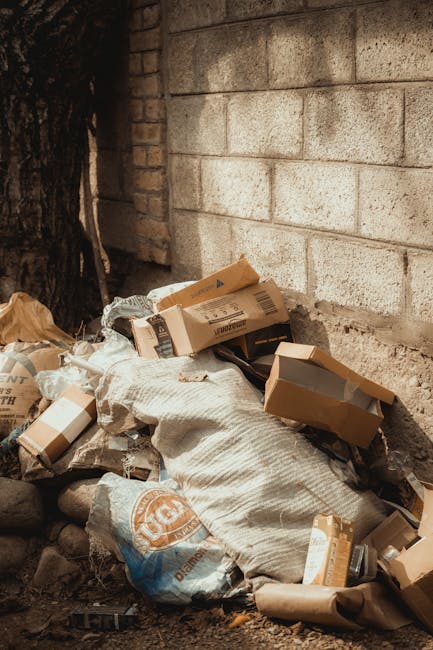
Estate rubbish clearance is about more than tidying up. On residential estates, waste tends to collect in the same pressure points: bin stores, lift lobbies, under stairwells, communal gardens, and the odd corner where furniture quietly gets abandoned. Once that happens, the effect spreads. It can make an estate feel cluttered, attract pests, and create simple trip hazards that nobody needs on a wet Brixton afternoon.
In SW9, especially around Acre Lane, the local rhythm matters. People are coming and going, deliveries are arriving, and space is often at a premium. A clearance that works well in a suburban driveway can fall apart in an estate courtyard. You need a process that respects shared access, neighbours, and the building's flow of movement. That's the real reason estate rubbish clearance is different from a standard one-off collection.
It also matters because estates usually involve several decision-makers: residents, housing officers, block managers, landlords, or contractors. The clearance has to feel orderly. If it doesn't, one person's "quick tidy-up" becomes everyone else's problem. To be fair, that's how these things go when no one owns the process from start to finish.
For broader household or multi-room clear-outs, the page on house clearance in Brixton helps explain how larger domestic clearances differ from estate work. Estate jobs are similar in some ways, but they usually require more coordination and better timing.
How SW9 estate rubbish clearance services Acre Lane Brixton Works
At its best, estate clearance is straightforward. A team identifies what needs removing, confirms access, agrees the timing, and clears the waste safely. But behind that simplicity is a fair bit of planning. On an estate, the difference between a smooth job and a stressful one usually comes down to the details.
The typical process looks something like this:
- Initial assessment. You describe the waste, the location, and any access issues. Photos help, especially for bulky items or mixed loads.
- Scope confirmation. The clearance team works out whether it's basic rubbish removal, bulky item collection, full estate clearance, or a more specialised job such as builders' waste.
- Timing and access planning. In estates, this may include lift access, loading bay arrangements, resident notice, or specific collection windows.
- Removal and sorting. Items are collected, separated where possible, and moved without blocking communal areas for longer than necessary.
- Responsible disposal. Waste is taken to the appropriate facility, with recyclable material separated where practical.
That final step matters more than people sometimes realise. A decent clearance service should not just "make it disappear". It should also handle what happens next in a sensible, lawful way. If you want more detail on that side of things, recycling and sustainability is worth reading because it explains the mindset behind better disposal practices.
Estate clearances can also involve mixed waste streams. For example, a block refurbishment might produce broken plasterboard, old doors, packaging, and the usual random odds and ends. In that case, it may overlap with builders' waste disposal in Brixton, which has its own handling needs.
Key Benefits and Practical Advantages
The biggest benefit is obvious: the rubbish goes. But that's only the start. Good estate clearance makes the whole place easier to live in. Hallways feel wider. Bin areas stop smelling quite so stubbornly unpleasant. And the building looks cared for, which, let's face it, people notice straight away.
Here are the practical advantages that usually matter most:
- Improved safety: fewer trip hazards, less blocked access, and reduced fire risk from cluttered communal spaces.
- Better resident experience: a cleaner, tidier estate feels calmer and more respectful.
- Faster turnaround: useful after void property work, tenant moves, or bulky fly-tipped waste.
- Less stress for managers: one organised clearance is easier than juggling multiple small removal attempts.
- Cleaner presentation: especially helpful for lettings, inspections, or estate visits.
- More responsible disposal: a professional team can separate recyclable items and avoid unnecessary landfill where possible.
Expert summary: the best estate clearance is the one residents barely notice while it happens, but absolutely notice when it's finished. Quiet, efficient, and tidy. That's the goal.
For landlords and property professionals, estate clearance can also protect value. A neglected communal area can drag down the feel of a whole block, even when individual flats are in decent shape. If you work in lettings or sales locally, the article on navigating Brixton property deals gives useful context on how presentation and upkeep influence property decisions.
Who This Is For and When It Makes Sense
This service is not just for housing associations or large blocks. In practice, a lot of different people end up needing estate rubbish clearance around Acre Lane and wider Brixton.
- Estate and block managers dealing with accumulations in communal spaces
- Housing providers clearing abandoned items after inspections or works
- Private landlords handling post-tenancy rubbish in shared buildings
- Residents' associations organising a coordinated clear-up
- Property developers preparing a site or block for occupation
- Contractors needing waste removed after maintenance or refurbishment
- Individual residents with bulky items they cannot realistically move themselves
It makes sense when the waste is too awkward, too much, or too inconvenient to handle through normal bin collection. That can include old mattresses, broken wardrobes, bagged clutter, dismantled furniture, mixed general rubbish, or the strange half-empty pile that appears after a flat gets cleared in a hurry. Estates have a way of accumulating those piles quietly. One day there's nothing there; the next day, a sofa appears as if by magic. Strange, really.
For residents who want a local feel for the area and how day-to-day life shapes practical decisions, Brixton living insights from residents offers a helpful local perspective. And if your clearance ties into an office, workspace, or mixed-use building, the page on office clearance in Brixton may be a better fit.
Step-by-Step Guidance
If you're organising estate rubbish clearance in SW9, the easiest way to keep things under control is to treat it as a mini project. Not glamorous, but effective.
- Walk the site first. Note the exact items, where they're stored, and whether anything is in a locked or shared area.
- Separate the obvious categories. General rubbish, bulky furniture, garden waste, and builders' debris should be identified early if possible.
- Check access points. Stairs, lifts, narrow corridors, parking restrictions, and loading access all affect how quickly the job can be done.
- Choose a sensible time window. Early slots can reduce disruption, while quieter periods can help avoid resident conflict.
- Notify occupants if needed. A short notice to residents often prevents complaints and last-minute confusion.
- Clarify what stays and what goes. Mixed estates often have storage items, personal belongings, and communal goods in the same area. Be specific.
- Ask about sorting and recycling. If there are reusable or recyclable items, it is worth discussing how they'll be handled.
- Plan the aftermath. Clearing waste is great, but a neat area can be undermined if nobody rechecks the bin store, pathway, or loading bay afterward.
One useful rule of thumb: if you need to move it twice before it's removed, the plan probably needs tightening. Not always, but often enough.
If pricing is part of your decision, you can compare approaches through pricing and quotes. It's a sensible next step before you commit, especially where access or volume could affect the final cost.
Expert Tips for Better Results
Over time, a few habits make estate clearance much smoother. Nothing fancy. Just solid, practical thinking.
- Take photos before you book. This helps with accuracy and avoids awkward surprises on arrival.
- Measure bulky items if possible. It sounds obvious, but a 3-seater sofa in a narrow stairwell can become a logistical comedy very quickly.
- Separate hazardous or specialist items early. Paint, sharps, chemicals, and electrical waste may need special handling. Don't mix them into general rubbish.
- Keep one point of contact. Too many voices create confusion. One manager, one resident lead, one contractor contact.
- Schedule with neighbour flow in mind. School runs, deliveries, and parking pressure all matter more than people think.
- Ask about insurance and safety measures. A professional team should be able to explain how they protect the building and the people in it.
If you're dealing with heavier or more frequent waste, it can also be useful to look at waste removal in Brixton as a broader service category. Sometimes the best solution is not a one-off clear-out, but a more regular waste management plan.
And, in our experience, the quickest way to calm a frazzled estate committee is to show them a clean before-and-after plan. People relax when they can picture the end result. Funny how that works.
Common Mistakes to Avoid
A lot of estate clearance problems come from rushing the setup rather than the removal itself. The clearing part is usually the easy bit. It's the planning that trips people up.
- Leaving items in communal spaces too long. Even a "temporary" pile can become a nuisance or blockage.
- Assuming all waste is the same. Furniture, garden waste, building debris, and everyday rubbish may need different handling.
- Forgetting resident communication. A missed notice can lead to complaints, obstructed access, or damaged goodwill.
- Underestimating access issues. Narrow entrances and parking restrictions can slow the job down more than the waste itself.
- Skipping the post-clearance check. Leftover fragments, packaging, or small debris can undo the tidy finish.
- Choosing on price alone. Cheap is rarely cheap if the job has to be revisited.
It's also easy to forget the human side. Someone who has just moved out, or is dealing with a bereavement, may be sorting through the last pieces of a life, not just "rubbish". A bit of patience goes a long way there.
Tools, Resources and Recommendations
You do not need a warehouse full of equipment to organise a good estate clearance, but a few simple tools make the process easier.
- Camera phone: for documenting waste, access points, and final condition
- Basic site notes: item types, quantities, floor levels, lift access, and timing constraints
- Floor plan or block sketch: especially helpful for larger estates
- Resident notice template: short, clear, and polite
- Checklist: useful for tracking what was cleared and what remains
For customers who want to understand the company background and approach before booking, about us gives a useful snapshot. If you value the practical side of service quality, insurance and safety is also worth a look, because estate work often involves shared spaces where caution matters.
If your waste includes damp soil, cuttings, branches, or overgrown hedge material, you may be better served by garden waste removal in Brixton. Different waste streams, different handling. Simple as that.
Law, Compliance, Standards, or Best Practice
Estate rubbish clearance in the UK sits within a practical framework of legal responsibility and best practice. I'll keep this plain-English, because the detail can get dense fast.
First, waste should be handled by people and businesses that can dispose of it properly. As a customer, it is sensible to ask how waste is transported and where it is likely to go. You do not need a lecture; you just need enough clarity to feel confident that the rubbish is not being dumped somewhere it shouldn't be.
Second, communal estates often require care around access, fire routes, and shared areas. Blocking escape routes, even temporarily, is not something to take lightly. Safety and common sense tend to align here anyway.
Third, if electrical items, paint, chemicals, sharps, or other specialist materials are involved, they may need separate handling. Don't assume everything can go in one van and be sorted later. That may be tempting, but it's not a great habit.
Fourth, privacy matters in estate clearances. Old mail, records, labels, and personal documents should be treated carefully. That is especially true for tenant moves and void clearances.
For customers who want a closer look at the website's own standards, terms and conditions, privacy policy, and accessibility statement are useful supporting pages. They're not glamorous reads, admittedly, but they help build trust and clarity.
If you are comparing service quality, ask yourself: does the team explain their process clearly, or do they just talk quickly and hope nobody notices the gaps? That small test often tells you a lot.
Options, Methods, or Comparison Table
There is more than one way to handle estate rubbish. The best option depends on volume, access, urgency, and the kind of waste involved. Here's a simple comparison to make the decision easier.
| Method | Best for | Strengths | Limitations |
|---|---|---|---|
| Ad hoc bulky item collection | A few large items or a small one-off mess | Simple, quick, often cost-effective for light jobs | Can be inefficient for mixed or repeated waste |
| Estate clearance visit | Communal rubbish, multiple items, shared areas | More organised, better for access planning and larger volumes | Needs clearer coordination and scheduling |
| House or flat clearance | Full internal property clear-outs | Good for tenancies, moves, and deceased estate work | Not always ideal for communal or external waste |
| Builders' waste removal | Refurbishment debris, renovation leftovers | Designed for heavier, dirtier material | May not suit mixed general rubbish |
For a practical example of bulky collections in a local setting, the article on Windrush Square bulky rubbish collection advice in Brixton is a helpful nearby reference. And if you operate a stall or business in the area, Brixton market rubbish removal tips for stallholders shows how waste planning can change in busy public-facing spaces.
Case Study or Real-World Example
Picture a mid-sized estate off Acre Lane after a few weeks of tenant changes and minor repairs. There's a mattress by the bin store, two broken cupboards in a corner, bagged waste from a flat refurbishment, and a scattering of packaging that keeps blowing across the paving whenever the wind picks up. Nothing dramatic. Just enough to make the place feel slightly neglected.
The estate manager arranges a clearance window, walks the site with the team, and points out the access route. Residents are notified the day before. The bulky items are removed first so the route opens up quickly, then the smaller waste is collected and the area swept down. Because the plan was simple and the access was understood in advance, the job finishes without blocking the entrance or annoying everyone in the building.
The real win is not only the empty space. It is the feeling afterwards: bins can be used properly again, the path is clear, and the estate looks back under control. A small thing, maybe. But on a busy block, those small things matter a lot.
If that sort of situation sounds familiar, you're not alone. Brixton estates often deal with the same recurring cycle of overflow, clear-up, and reset. The trick is to build a calmer routine around it rather than waiting for the mess to become impossible.
Practical Checklist
Use this before booking or confirming your clearance.
- Confirm exactly what needs removing
- Take photos of the waste and access route
- Check whether items are communal, private, or mixed
- Note stairs, lifts, narrow corridors, and parking restrictions
- Decide whether residents need notice
- Separate specialist items where necessary
- Ask how recyclables will be handled
- Confirm timing and any building rules
- Make sure one person is the main contact
- Do a final walk-through after the clearance
A quick checklist can save a surprising amount of grief. Honestly, more than a few clearances go wrong because nobody wrote down the obvious bits.
Get a free quote today and see how much you can save.
Conclusion
SW9 estate rubbish clearance services Acre Lane Brixton are most valuable when they solve more than just the visible mess. They protect shared access, reduce friction between residents, and help estates feel looked after rather than constantly one step behind. In a neighbourhood like Brixton, where buildings are busy and space is precious, that kind of quiet order really counts.
The best results come from clear communication, realistic planning, and a team that understands estate environments rather than treating them like a standard house move. Keep the process simple, make the waste type clear, and think a step ahead. That's usually enough to turn a stressful pile of rubbish into a tidy, manageable job.
And once the last bag is gone and the corridor smells a bit fresher, you can finally get on with the day. Small reliefs matter, especially the practical ones.

 Tipper Van - Rubbish Clearance and Garden Rubbish Disposal Prices in Brixton, SW9
 Luton Van -


