Windrush Square bulky rubbish collection advice Brixton
Posted on 10/08/2026
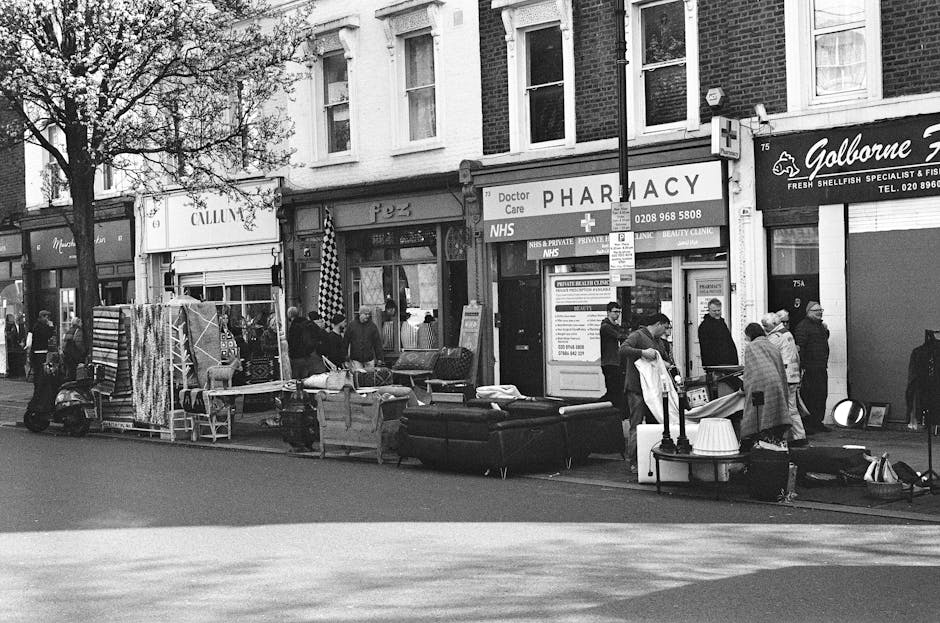
Windrush Square bulky rubbish collection advice Brixton: a practical local guide
If you are trying to sort out Windrush Square bulky rubbish collection advice Brixton, chances are you want two things at once: a clear plan and a quick, sensible result. Maybe you have an old sofa blocking the hallway, a broken wardrobe that no one can lift without grumbling, or a pile of household junk that has quietly grown over weeks. Whatever the mess looks like, the job becomes much easier once you understand your options, your responsibilities, and the fastest way to clear bulky waste without causing extra hassle.
This guide is written for real-life situations in and around Windrush Square and central Brixton. We will look at how bulky rubbish collection works, what to check before booking, when a professional service makes more sense, and how to avoid the little mistakes that turn a simple clear-out into a long afternoon of stress. You will also find a checklist, a comparison table, and a few grounded tips from the kind of jobs that tend to happen on busy London streets. Not glamorous, but useful. Very useful.
Why Windrush Square bulky rubbish collection advice Brixton matters
Windrush Square sits at the heart of a busy, lived-in part of Brixton. That matters because bulky rubbish is never just about "getting rid of stuff". It is also about access, timing, footfall, neighbours, and making sure waste does not sit around looking untidy or unsafe. In a busy urban setting, one abandoned mattress or a stack of flat-pack timber can become an eyesore surprisingly quickly.
Good advice helps you avoid the most common headaches: missed collection dates, items left outside too early, confusion over what counts as bulky waste, and the classic problem of a clear-out that is nearly finished but not quite. To be fair, that last 10 per cent is often the hardest. The chair is gone, the books are boxed, but the awkward bits remain.
It also matters for reputation. If you are clearing a home, managing a rental, preparing a property, or handling waste after an event, the way you deal with bulky items says a lot. A tidy, well-planned removal keeps pavements clear, reduces friction with neighbours, and makes the whole job feel under control. And when you are in a place like Brixton, where streets and public spaces stay active from early morning to late evening, a careful approach is simply the smart one.
For broader context on local needs and practical waste removal planning, you may also find the services overview useful when comparing what kind of clearance support fits the job.
How Windrush Square bulky rubbish collection advice Brixton works
Bulky rubbish collection usually means arranging the removal of large household or commercial items that are too awkward for normal bin services. Think sofas, beds, wardrobes, shelving, tables, old office chairs, broken appliances, and similar oversized items. The exact service you need depends on how much there is, what it is made from, and how quickly it needs to go.
The practical flow is usually straightforward:
- You identify the items and separate them from general waste.
- You check whether anything can be reused, donated, sold, or broken down first.
- You decide whether you need a one-off bulky collection, a full rubbish clearance, or a more tailored waste removal visit.
- You book a collection time that works with access, parking, and any building rules.
- The waste is lifted, loaded, and taken away for sorting, recycling, or disposal.
That sounds simple, and often it is. But the difference between a smooth collection and a messy one is usually in the preparation. If the items are on the second floor, if the property has narrow staircases, or if the waste is sitting near a shared entrance, a little planning saves a lot of back-and-forth.
For jobs that involve mixed waste, household clutter, or a property that needs a proper reset, it can help to look at rubbish clearance in Brixton as a broader option rather than trying to force everything into a single bulky-item pickup.
And if you are clearing something after decorating, refurbishment, or a move, the page on waste removal Brixton gives a useful sense of how different waste types can be handled in one visit.
Key benefits and practical advantages
When people search for bulky rubbish collection advice, they are usually trying to save time, avoid lifting, and stop the whole thing becoming a weekend-eating saga. Fair enough.
The main benefits are practical rather than dramatic:
- Less physical strain: Large items can be awkward and risky to move without help.
- Faster clearance: A coordinated pickup often clears more in one go than repeated DIY trips.
- Better safety: You reduce the chance of damage to walls, lifts, stairwells, and your back.
- Cleaner surroundings: Bulky waste does not linger outside longer than it needs to.
- More predictable results: You know what is going, when it is going, and what still needs attention.
- Improved recycling potential: Usable parts and recyclable materials can be separated more effectively.
There is also a less obvious benefit: mental breathing room. A clear room feels bigger, calmer, and easier to use. A garage, flat, office, or storage area that has been freed up can change how the whole space feels. One minute it is a dumping ground; the next it is usable again. That shift matters more than people expect.
If sustainability is important to you, you can take a closer look at recycling and sustainability to understand how responsible clearance fits into a wider waste strategy.
Who this is for and when it makes sense
This kind of advice is useful for a lot of people, not just homeowners with one very awkward sofa. In Brixton, bulky rubbish collection can help:
- tenants at the end of a tenancy
- landlords between lets
- homeowners clearing out spare rooms, lofts, or basements
- people moving house and not taking everything with them
- small businesses replacing old furniture or office equipment
- market traders and stallholders dealing with packing waste or damaged stock fixtures
- builders and decorators handling leftover materials after a project
Sometimes the question is not whether you need collection, but whether you need just bulky item removal or something wider. If you have one mattress and a table, a straightforward pickup may be enough. If you have multiple rooms of clutter, mixed waste, and broken furniture all at once, a fuller house clearance service can be the cleaner route.
Likewise, if the job is tied to a workspace, browsing office clearance Brixton can help you decide whether the waste is really "bulky rubbish" or more of a complete premises clearance.
And if the items are mainly from a garden or outdoor area, you may want to compare this with garden waste removal Brixton. Same general idea, slightly different waste stream.
Step-by-step guidance
Here is the simplest sensible way to handle bulky rubbish near Windrush Square without overcomplicating it.
- Walk through the space first. Make a list of every item you want removed. Be honest here. The "small pile in the corner" often turns out to be three separate piles.
- Separate the reusable from the unusable. If something can be donated, sold, or passed on, deal with that before collection day. It keeps costs and waste volume down.
- Measure awkward items. Oversized wardrobes, divan bases, and long panels can create access issues. Measure doorways, stairs, lifts, and corridors if needed.
- Check what should not go with normal bulky waste. Some items need specialist handling, especially if they contain hazardous materials, chemicals, or electrical components.
- Plan access. Think about parking, loading space, shared entrances, and any restrictions near the property. Brixton can be lively and congested, so timing matters.
- Choose the right service level. A single-item lift-out is different from a full clear-out. Match the service to the actual job, not the hope that it might magically shrink.
- Prepare the items. Empty drawers, remove loose contents, and separate anything you want to keep. Label items if there is any chance of confusion.
- Confirm timing and costs in advance. Whether you are getting a quote or booking a slot, check what is included so there are no awkward surprises later.
A quick real-world point: if you leave a collection until the last minute after a move-out, the final day becomes strangely chaotic. Boxes, keys, a missing charger, and the sofa still stuck in the hallway. Not ideal. Book early if you can.
Expert tips for better results
There are a few habits that make bulky waste clearance much smoother. Nothing exotic, just sensible stuff that experienced clearers tend to do without thinking.
- Break larger items down first where possible. A dismantled wardrobe is easier to move than one complete piece of furniture, assuming it can be safely taken apart.
- Keep access routes clear. Hallways, front steps, and lift areas should be free of loose clutter and trip hazards before the team arrives.
- Group similar items together. It sounds small, but it helps with loading speed and sorting.
- Flag fragile or sharp objects. Broken glass, exposed nails, and damaged metal edges can be handled more carefully if people know about them in advance.
- Ask about recycling first. Many loads contain a mix of reusable, recyclable, and residual waste. Separating those streams can improve outcomes.
- Keep photos of large loads. A few clear pictures can make quoting and planning easier, especially for larger or mixed collections.
One more tip, and this one is easy to overlook: do not underestimate the time saved by sorting before the team arrives. An organised pile is a smaller pile in practice. Funny how that works.
If you want to understand how costs and scope are typically approached, pricing and quotes is a sensible place to get a feel for the decision-making process.
Common mistakes to avoid
Most bulky rubbish problems are not dramatic. They are just the result of a few small errors stacking up. The usual culprits are familiar:
- Leaving everything for collection day. Sorting on the fly almost always slows things down.
- Assuming all large waste is the same. Furniture, white goods, mixed rubbish, and construction debris do not always fall into the same handling category.
- Forgetting access issues. Narrow stairs, parking restrictions, and shared entrances can create delays that were easy to avoid.
- Mixing keepers with clear-outs. This happens constantly. A few personal items get bundled in by mistake, and then everyone pauses.
- Choosing the wrong service for the job. The cheapest-looking option may not be the best if it leaves you with part of the waste still sitting there.
- Ignoring safety. Heavy lifting without enough help is asking for trouble.
There is also a quieter mistake: not asking enough questions. If you are unsure whether an item is accepted, how loading works, or whether additional labour is involved, ask before the day. That small conversation can save a great deal of fiddling around later.
Tools, resources and recommendations
You do not need much in the way of special equipment for most bulky rubbish jobs, but a few basics help a lot:
- Measuring tape for checking furniture size and access points
- Marker labels to separate keep, remove, and donate items
- Basic gloves for light sorting and tidying
- Strong bags or boxes for loose parts, screws, and small contents
- Phone camera to photograph items and stair access if needed
On the information side, it helps to read a few closely related pages so you are not guessing at the service you need. For example, your rubbish removal needs is useful when you are trying to match the job to the right kind of collection. If the waste came from a renovation or a trade project, builders waste disposal Brixton may be the more relevant route.
For people who want a clearer picture of the company background before booking, about us and insurance and safety are the most reassuring pages to review. They are especially helpful if you are managing waste from a property, office, or shared building and want a bit more confidence in the process.
Law, compliance, standards, or best practice
For bulky rubbish collection, the main compliance point is simple: waste should be handled responsibly, by people who understand what they are collecting and where it is going. In the UK, householders and businesses both have responsibilities around waste transfer and avoiding fly-tipping. The exact obligations vary depending on whether the waste is domestic, commercial, or construction-related, so it is wise to be cautious rather than casual.
Best practice usually includes the following:
- making sure waste is not left in a way that blocks pavements or shared access
- keeping items separate where hazardous or specialist materials are involved
- using a service that can explain how loads are sorted and disposed of
- checking that your paperwork, receipts, or records are kept where required
- avoiding any arrangement that looks suspiciously cheap and vague
Businesses should be especially careful. Offices, shops, and traders often generate mixed waste streams, and the wrong handling approach can create nuisance, delay, or compliance issues. If you are a trader working from or near Brixton Market, the article on Brixton market rubbish removal tips for stallholders may be a practical companion read.
One thing people sometimes forget: safety is part of compliance too. Lifting, carrying, and loading large items should be done in a way that reduces injury risk. That means sensible staffing, good access, and not pretending a heavy wardrobe is a one-person job. It is not. Never is.
Options, methods, or comparison table
If you are weighing up how to deal with bulky rubbish in Brixton, the right choice depends on scale, speed, and access. Here is a straightforward comparison.
| Method | Best for | Strengths | Watch-outs |
|---|---|---|---|
| DIY disposal | Very small loads and easy access | Feels low-cost at first; full control over timing | Heavy lifting, vehicle hassle, multiple trips, time lost |
| Bulky item pickup | Single or limited large items | Simple and targeted; good for mattresses, furniture, one-off clear-outs | Less flexible if waste is mixed or access is awkward |
| Rubbish clearance service | Mixed household waste, clutter, and bulky items together | More complete, faster, often easier for properties with several waste types | Can be more than you need for a single item |
| House or office clearance | Whole-room or whole-property jobs | Best for larger resets, moves, refurbishments, and vacant properties | Requires better planning, but often worth it |
In practical terms, the choice usually comes down to this: if your job is small and tidy, keep it small and tidy. If it has already become a mixed pile of "that goes", "that stays", and "I'm not sure", then a broader clearance method is often the calmer choice.
Case study or real-world example
Imagine a flat just off Windrush Square after a tenancy changeover. There is a disassembled bed frame, two chairs, a broken chest of drawers, packaging from a new sofa, and a couple of bags of general clutter that were meant to be sorted "tomorrow". Tomorrow, naturally, never arrived on time.
The tenant could try to move everything in separate trips, but that means carrying furniture downstairs, finding parking, and probably discovering that one item does not fit in the vehicle anyway. Instead, the smarter move is to group the load, remove the keepers first, photograph the bulky items, and arrange a collection that matches the volume.
On the day, the access route is clear, the hallway is free, and the load is gone in one visit. The flat feels usable again by lunchtime. The landlord has a clean handover, the neighbours are not stuck with a pile outside the door, and the outgoing tenant does not spend the rest of the week apologising. That is what good planning does: it turns a nuisance into a routine task.
A similar pattern appears with small offices, especially where old desks or chairs are being replaced. If the waste is part office furniture, part paperwork, part general clutter, then a broader clearance approach is usually more efficient than treating each item in isolation.
Practical checklist
Use this checklist before any bulky rubbish collection near Windrush Square or elsewhere in Brixton:
- List all items you want removed
- Separate anything to keep, donate, or resell
- Check for broken glass, sharp edges, or loose parts
- Measure large items and access routes
- Confirm parking or loading access where relevant
- Group items together in one clear area
- Remove personal belongings from drawers, cupboards, and boxes
- Take photos if the job is sizeable or mixed
- Decide whether you need a single-item pickup or a fuller clearance
- Review pricing, timing, and safety details before booking
If you are clearing a property after a move, renovation, or business change, it can also help to review services overview alongside pricing and quotes so you understand what level of help actually fits the job.
Conclusion
Windrush Square bulky rubbish collection advice Brixton is really about making a busy, awkward task feel manageable. The best results come from simple preparation: know what you are removing, choose the right service level, keep access clear, and think ahead about safety and sorting. That is usually enough to avoid the chaos that bulky waste can bring when it is left until the last minute.
Whether you are dealing with one heavy item or a whole collection of mixed waste, the key is to match the method to the actual job. Not the job you wish you had. The actual one. Once you do that, the whole process becomes much calmer, and a lot less of a drag.
Get a free quote today and see how much you can save.
And if you are still deciding, take a moment to look at the space again with fresh eyes. Often the right answer is simpler than it first appears. One clear plan, one tidy pickup, and suddenly the room breathes again.
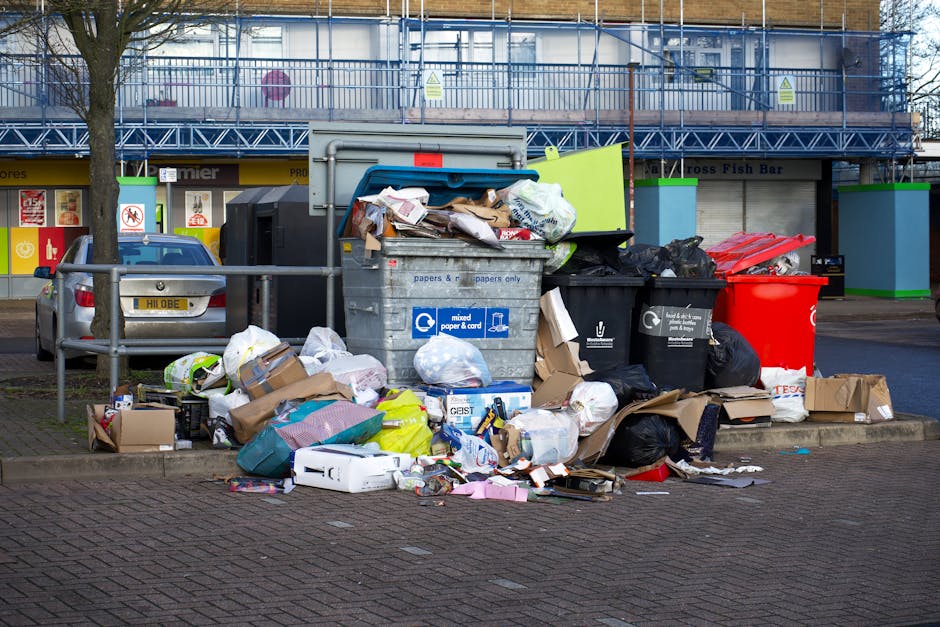
 Tipper Van - Rubbish Clearance and Garden Rubbish Disposal Prices in Brixton, SW9
 Luton Van -


